
Why Arabian Perfumes Shape Modern Scent Trends
 autor
autor
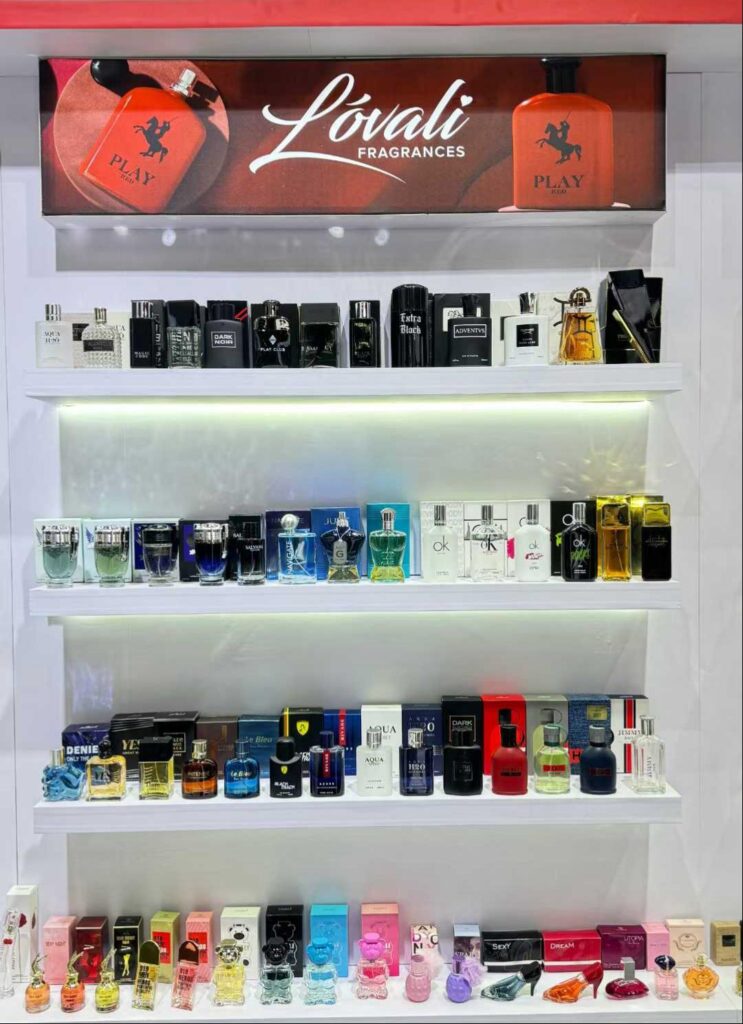
A buyer who passed Arabian perfumes ten years ago may read the same note family differently today. Oud, amber, musk, rose, jasmine, resin, and soft vanilla no longer sit only in a regional corner of the market. They now appear in supermarket briefs, beauty-chain launches, travel-size sets, and private label talks because they make a scent feel remembered after the first spray.
Why the Arabian Style Is Showing Up in Ordinary Retail
The appeal starts with contrast. Many everyday fragrances are clean, fresh, and easy to wear, but they can disappear quickly on a crowded shelf. Arabian perfumes bring more base-note character. A bright opening can still be there, yet the drydown leaves warmth, polish, and a clearer story.
This is important in 2026, as retailers require products which can be described using clear terms. The consumer will not be able to remember any other light floral, but amber rose, citrus oud, or vanilla musk gives the sales team and the shelf label something more specific to work with.
Depth without making the scent difficult
The modern version is not always heavy. A balanced Arabian perfume can open with pear, bergamot, saffron, or clean musk, then move into sandalwood, amber, tonka, rose, or vanilla. The result can be warm without feeling old-fashioned.
This is why the style can sit beside women’s fragrance, men’s fragrance, body mist, and gift sets. It does not have to be treated as a separate niche if the formula is adjusted for the channel, the season, and the shopper’s usual wearing habits.
What These Notes Add to a Modern Line
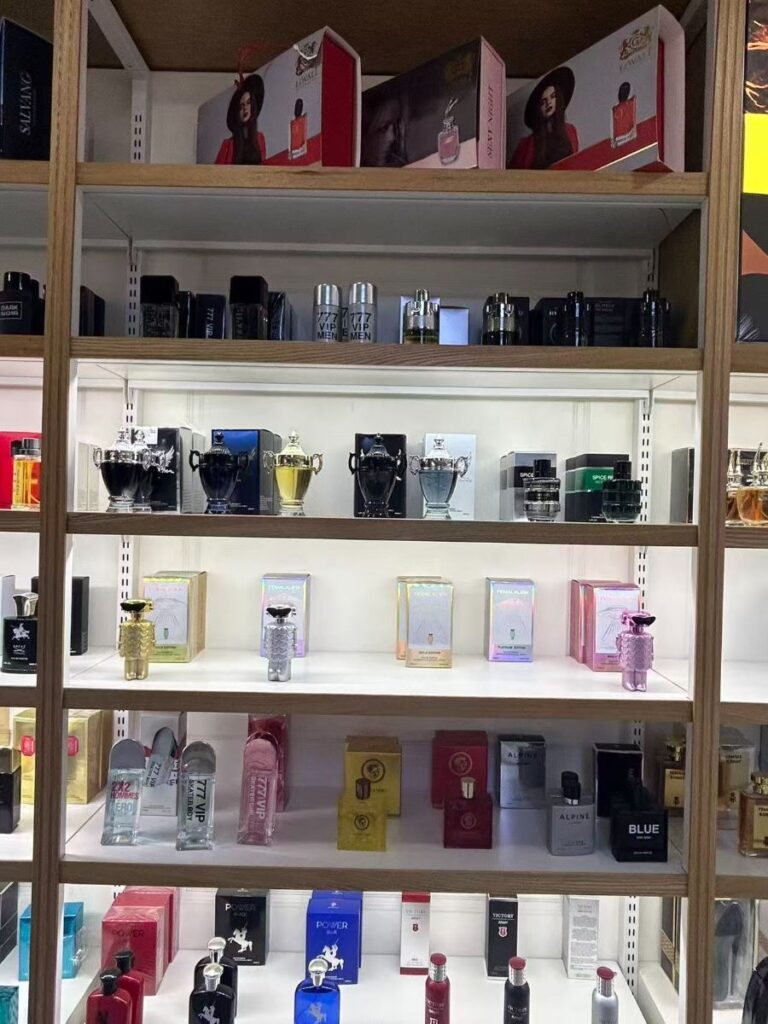
For a wholesale range, Arabian styling is practical because it gives a collection several scent directions that still feel related. One line can carry a richer evening option, a softer gift scent, and a lighter daily format without losing the family feeling.
| Note direction | Common impression | Useful role in a collection |
| Oud and woods | Dry, smoky, polished | Adds a premium evening or unisex option |
| Amber and musk | Warm, smooth, skin-like | Creates comfort and longer drydown appeal |
| Rose and jasmine | Floral, textured, expressive | Softens deep notes for women and gift sets |
| Vanilla and gourmand notes | Sweet, creamy, familiar | Connects Arabic warmth with current dessert-style demand |
Arabian perfume oils, Arabic vanilla perfume, Arabian rose perfume, and Arabian jasmine perfume all reflect a preference for rich, recognizable scent profiles. Their appeal goes beyond regional identity, combining familiar notes such as vanilla, rose, and jasmine with the deeper, more layered character often associated with Arabian perfumery.
A lighter route into Western shelves
The Western supermarket shelves should definitely not be overloaded with the same traditional attar. The light eau de parfum or spray can convey the message of amber vanilla or rose musk in a way that is comfortable to wear all day long.
That is where an Arabian perfume line becomes a bridge. It feels more distinctive than another simple fresh spray, but it can still be tested quickly, compared by price tier, packed into a gift box, and replenished through normal retail planning.
How New Products Turn the Trend into Something Sellable
The strongest new products do not copy one classic formula. They translate the mood. A buyer might ask for soft amber rose for gifting, citrus oud for a fresher unisex item, or vanilla musk for a younger body mist program. The brief sounds creative, but the production work behind it is still very concrete.
Three checks matter early, before the first purchase order becomes a shipping schedule:
- Raw materials should be screened for odor quality, purity, stability, and regulatory fit.
- The formula should go through aging, stability, and compatibility checks with the bottle, pump, cap, and decoration.
- The filled packaging should pass leak checks and vacuum testing before cross-border shipment.
Those steps are easy to underestimate when the bottle looks attractive and the scent strip smells promising. Warm base notes, colored caps, heavy glass, and gift packaging all have to behave together after filling, warehousing, and transport.
Customization Turns a Trend into a Sellable Range
A trend only becomes useful when a perfume manufacturer can turn it into the right format, price point, and market position. For wholesalers, custom fragrance solutions are more important than copying a note list from a best seller.
Yiwu Yazhi Cosmetics supports this work as the perfume manufacturer through OEM, ODM, and OBM fragrance development. The process includes note blending, formula creation, bottle and packaging customization, private label production, and finished delivery. Its production base works under GMPC and ISO22716 systems, with raw material inspection, formula testing, process control, and finished product quality checks.
That kind of production flow helps a perfume manufacturer keep the Arabian direction recognizable while changing concentration, sweetness, bottle size, spray feel, and packaging for different channels. A mini perfume set should not smell like a diluted afterthought. A mist should not feel sticky. A richer eau de parfum still needs a controlled drydown.
Allergens and claims have to be planned from the start
Allergen control is supposed to be part of the creative brief process, not at the end of production. EU cosmetic labeling regulations have broadened the scope of fragrance allergen labeling, and IFRA-style safety assessment continues to be a useful benchmark for rose, jasmine, citrus, spice, and wood materials.
Expectations for clean fragrances provide another dimension. Fragrances that are alcohol-free, hypoallergenic, use natural or biologically based ingredients, and communicate ingredients clearly may be able to make an Arabian warmth profile more palatable for Europe, North America, and health-oriented beauty markets.
What Buyers Should Remember
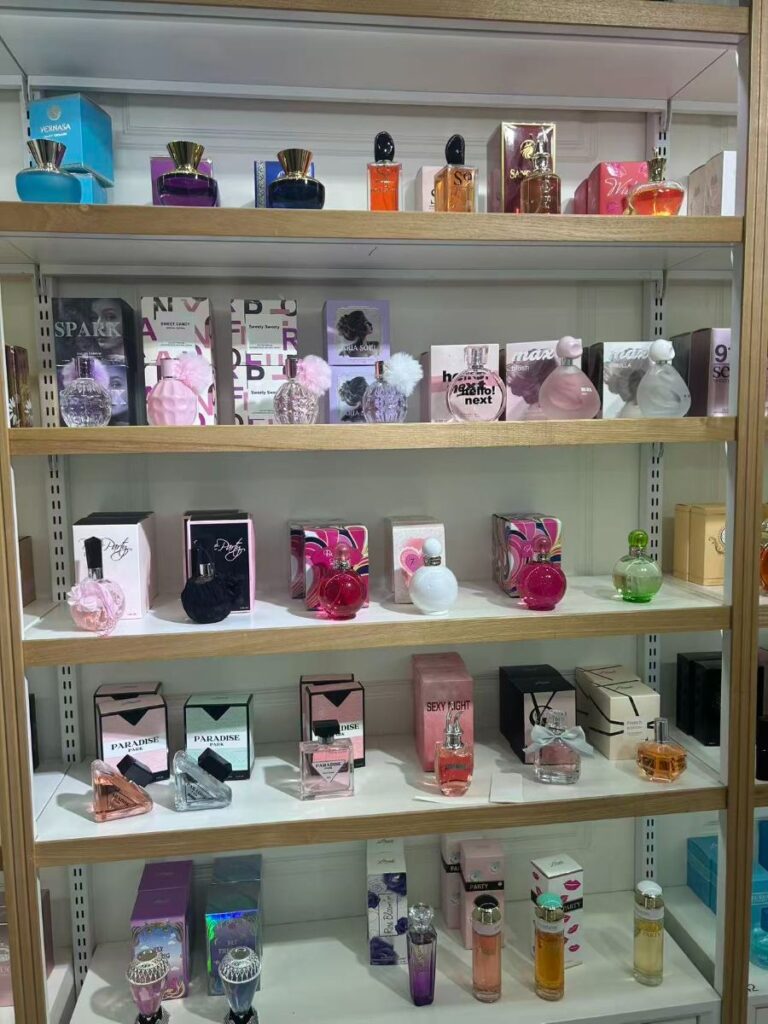
Arabian perfumes are shaping modern scent trends because they answer a real retail problem. Many launches need more personality, a warmer drydown, and a story shoppers can repeat. Oud, amber, musk, rose, jasmine, and vanilla give a line that vocabulary when the balance is handled carefully.
The correct application of the trend is not making all products dark or powerful. The correct approach is to use Arabian styling as an adjustable perfume language and match it with the appropriate format, testing method, allergens analysis, and packaging process prior to the shipment of the product from the factory.
Preguntas frecuentes
Are Arabian-style scents only suitable for the Middle East?
No. Retailers may customize the brand for Europe, North America, Southeast Asia, and Latin America through changes in sweetness level, strength level, bottle shape, packaging, and pricing.
Can an Arabian perfume be made lighter for daily use?
Yes. A more refined fragrance could have fresh top notes, less sweet ingredients, milder musk, and cleaner wood in the base. Formats like body mist and eau de toilette would also help achieve this aim.
What should a wholesale team confirm before launching this style?
A wholesale team should confirm scent direction, allergen and labeling requirements, formula stability, packaging compatibility, leak resistance, vacuum testing results, and market fit before scaling the order.