

What Really Makes Perfume Last Longer
The first spray tells a buyer very little about the end of the day. Keep the sample and return to it. Does a recognizable scent remain, or just a faint trace of the base? That distinction belongs in a wholesale brief, alongside the format, bottle and intended price. A promise of lasting power is hard to judge until the buyer and manufacturer agree on what they are listening for.
Longevity Comes From Balance, Not One Ingredient
A long lasting perfume depends on the materials in the formula as well as their concentration. Adding more of a persistent base material changes the smell, too. The question is whether that change suits the fragrance. A base that works in a rich evening scent may dominate a lighter composition before its opening has had much room to develop.
Follow the scent through its opening, heart and drydown. These are useful descriptions of how the impression changes over time, rather than separate compartments that switch on and off. For a women’s, men’s, unisex or mist line, record which part of that changing impression the buyer wants to retain.
Concentration Sets The Starting Point
Concentration describes the proportion of fragrance material in the finished liquid. Parfum and EDP generally contain more than EDT, EDC or body mist, but the category name does not give a dependable wearing time. Compare the actual samples. Two products with the same concentration label can have quite different scent profiles and persistence.
Yiwu Yazhi Cosmetics works across Parfum, EDP, EDT, EDC, body mist, and gift set formats, which lets buyers match lasting expectations to the channel rather than forcing one strength into every price band.
Fixatives Slow The Drydown Without Flattening It
A fixative may contribute its own odor as well as affect the way a blend develops. Musk, woods, vanilla and amber effects therefore need evaluating as part of the scent. A persistent drydown is useful only if it is the drydown the buyer wanted. Check the opening again after changes to the base.
A long lasting cologne still needs to smell like the intended cologne. Keeping a fresh character may matter as much as extending the base. The same question applies to a long lasting perfume for women: does the floral, fruity or gourmand identity survive, or has the adjustment made the products too alike? Let the sample answer that question.
Aging Turns Mixed Liquid Into A Stable Scent
Freshly blended perfume and a stored sample are not always directly comparable. The odor may change during maturation, and the result depends on the formula and storage conditions. Aging is not a guarantee of extra hours on skin. It is a production stage whose effect needs checking on the particular blend.
Keep the sample date with the approval record. If a buyer evaluates fresh liquid while the reference has already matured, the difference can be mistaken for a formula change. Agree on the sample condition used for approval, then use that condition when comparing production samples.
Manufacturing Consistency Keeps Longevity Repeatable
A fragrance manufacturing process has to reproduce the approved sample. Keep the formula revision, raw-material records and batch details together. Weighing, blending, aging, filtration and filling each belong in that record. If a repeat order smells different, those details give the team something specific to investigate rather than a memory of the first sample.
Yiwu Yazhi Cosmetics operates more than 40 production lines with daily output above 800,000 pieces, supported by GMPC and ISO22716 systems. That scale matters only when the approved formula, bottle, pump, and outer packaging keep the same performance from trial order to repeat order.
Packaging Can Support Or Damage Scent Performance
Test the liquid in the bottle and sprayer intended for sale. A sample from a laboratory bottle does not tell the buyer how the retail pump will deliver it. Closures and materials in contact with the perfume also need checking. Leakage or loss from a poorly sealed bottle is a different problem from a scent fading after application.
A perfume production line therefore needs package checks as well as formula approval. Examine bottle compatibility, spray output and closure fit, and specify the leakage tests relevant to the order. Keep the actual package combination in the test record. A different pump or closure should prompt a fresh check of the affected features.
A Buyer Checklist For Lasting-Power Claims
Test the first spray, two-hour heart, and final drydown on the same day.
Compare aged samples with freshly filled samples before approval.
Check sprayer output because droplet size changes perceived strength.
Review allergen and transport documents before changing fixatives.
Longevity factor
What to review
Why it matters
Fragrance concentration
Parfum, EDP, EDT, EDC, or mist target
Sets the realistic performance range
Base-note structure
Musk, woods, amber, vanilla, or soft fixatives
Controls drydown and comfort
Aging time
Sample and production timing
Prevents sharp or unstable comparisons
Allergen profile
EU, U.S., and market-specific review
Keeps lasting-power changes compliant
Sprayer and seal
Mist quality, cap fit, vacuum test
Protects use feel and transport stability
Give a perfume manufacturing factory the sample reference and the observations behind the request. ‘Stronger’ might mean a fuller first spray, more projection or a recognizable drydown later on. Those are different requests. Recording what was tested, when it was assessed and which package was used makes the discussion more useful.
Longevity Trends Are Moving Toward Comfort
Comfort needs a place in the brief alongside persistence. A gourmand, soft musk, woody spicy, clean floral or skin-scent direction can suggest a different balance of intensity and character. Decide what the intended shopper is meant to notice. A product does not have to announce itself across a room to leave a recognizable scent nearby.
For a long lasting body mist for ladies, discuss whether reapplication is part of normal use. An EDP brief may call for a more persistent drydown from fewer sprays. Put those expectations into the sample review rather than assuming that the product name settles them. Price, climate and retail channel help explain the intended use.
Summary
Lasting power comes from the formula, the way it is made and the conditions in which it is assessed. Concentration and base materials matter, but a buyer still needs to smell the finished product through its drydown. Keep the approved scent, production record and package specification connected when placing a repeat order.
For wholesale teams planning a new line, Yiwu Yazhi can help align scent direction, lasting target, allergen review, package testing, and scale production before launch.
FAQ
What makes perfume last longer on skin?
The materials and concentration influence what remains after application. Skin condition, temperature and the amount applied can change the experience. Compare samples under similar conditions and check the character of the remaining scent as well as its strength.
Is EDP always more long-lasting than EDT?
No. EDP generally has a higher fragrance concentration, but the label alone cannot establish which of two products will last longer. Test the actual formulas rather than inferring a wearing time from EDP or EDT.
Can body mist be long lasting?
A mist can have a noticeable drydown, although its intended use may include reapplication. Establish the performance expected from that product, then test it. Repeated spraying should not be confused with evidence that a single application lasts longer.
Why does perfume smell different after production?
The blend can develop during maturation, while storage and contact with packaging may also affect it. Compare samples with recorded ages and storage conditions before deciding that production has changed the scent.
How should wholesalers test longevity before ordering?
Keep a reference sample and record application conditions, assessment times and the package used. Compare the opening and drydown, then check that production samples match the agreed reference. Review the required market documentation separately from the odor assessment.
View More

Which Fragrance Families Belong on Supermarket Shelves?
A supermarket fragrance shelf has only a few seconds to make sense. The real question is whether the fragrance families form a clear range for different shoppers, seasons, and price points.
A shelf needs contrast before it needs more SKUs
A strong shelf mix usually begins with contrast. If every bottle leans sweet, pink, and floral, shoppers may see variety in packaging but not in use occasions. If every option is heavy and warm, the range can feel wrong in spring. Fragrance families give the shelf a simpler language: fresh, floral, fruity, woody, amber, gourmand, musk, and unisex.
The useful goal is recognition. A buyer should be able to point to one daily scent, one warm-weather scent, one cool-weather scent, and one trend slot without needing a long explanation from store staff.
Fresh notes create fast trial
Fresh scent families work well when the shopper wants a clean first impression. Citrus, aquatic, green, and light fruity notes feel approachable because they read quickly from a tester strip or cap. They are especially useful for entry-price displays, travel sizes, and casual gifting.
Comfort notes keep the range from feeling thin
Comfort-led families give the shelf depth. Vanilla, amber, soft musk, sandalwood, and light gourmand effects can make a fragrance feel warmer and more lasting. They matter when the buyer is planning autumn sets, holiday packs, or a line that must feel more premium without becoming too niche.
Seasonal demand changes the balance
Seasonality should adjust the ratio, not rebuild the whole shelf. Searches for best summer perfumes for women point toward lightness, brightness, and easy daytime use, while winter fragrances for women usually suggest warmth, softness, and stronger dry-down character. A stable range can keep familiar core scents while rotating a few seasonal accents.
Use citrus, aquatic, pear, peach, and clean musk for spring and summer freshness.
Use rose, jasmine, berry, and fruity floral effects for a broad feminine core.
Use amber, vanilla, woody, and soft gourmand notes for cooler months and gifting.
Keep one unisex or skin-scent slot for shoppers who avoid obvious sweetness.
Shelf role
Useful fragrance families
Commercial reason
Fast first impression
Citrus, aquatic, light fruity
Works for spring, summer, travel sizes, and quick trial.
Everyday core
Floral, fruity floral, soft musk
Gives the shelf a broad entry point.
Cool-weather comfort
Amber, vanilla, woody, gourmand
Adds warmth for autumn, winter, gifting, and evening use.
Trend slot
Arabian, spicy woody, skin scent, layered mist
Tests novelty without replacing the core range.
Custom extension
Matching EDP, body mist, lotion, or gift set
Builds a clearer story when the scent proves repeatable.
Formats change how fragrance families sell
The same scent family can play different roles in different formats. A floral EDP may feel like the main purchase, while a matching mist or lotion turns the idea into a daily layering routine. This is why body mist wholesale demand often sits beside perfume demand rather than replacing it.
Body mist also helps a retailer test lighter trend notes with less risk. A coconut, pistachio, pear, or berry mist can feel timely, and a strong response can later support an EDP, travel spray, or gift set.
Floral remains the safest core when it has texture
Floral is familiar, but flat floral is easy to ignore. Searches around best floral perfumes for women show why the category still matters: shoppers want romance, softness, and polish, but they also expect modern freshness or warmth.
Woody and musk notes make the shelf feel current
Woody, musk, and skin-scent notes help a supermarket shelf avoid looking purely sweet. They support unisex buying, office use, and a quieter premium mood. For 2026 launches, this layered direction matters because shoppers are mixing mists, lotions, and EDPs instead of using one loud signature scent.
Custom ranges must survive production realities
A custom shelf range becomes more complicated when the scent, bottle, label, and launch window move together. A floral, woody, or fruity idea still has to pass formula review, packaging compatibility, and market compliance.
For buyers comparing private label perfume manufacturers, Yiwu Yazhi Cosmetics is relevant at this point because its work connects scent development with raw-material screening, stability testing, formula compliance, and finished-pack verification.
Vacuum testing belongs in that production flow. Filled bottles are exposed to reduced pressure so weak crimping, poor pump fit, or imperfect sealing can show up before goods travel. The test protects the fragrance experience by preventing leaks, evaporation, and damaged shelf stock.
Allergen review also shapes a custom range. EU rules have expanded fragrance allergen labeling requirements, and U.S. MoCRA keeps allergen disclosure on the cosmetics compliance agenda. A good sample still needs a formula record that matches the target market and label plan.
A practical way to read the shelf
A buyer can read a fragrance shelf like a small wardrobe. Fresh families bring movement, floral and fruity notes carry familiar volume, woody or musky notes add modern quietness, and amber or gourmand accents bring seasonal comfort. When those roles are clear, the range feels edited rather than crowded.
The same logic helps new-product planning. A new perfume for women or body mist should not only look different in color or cap shape; it should give the shelf a new reason to exist. A pistachio mist, a soft skin scent, a clean musk, or a warmer vanilla floral can each work if it fills a missing shelf role.
The practical takeaway
Supermarket fragrance selection works best when fragrance families are treated as retail signals, not decorative labels. Build a core around fresh, floral, fruity, woody, musk, and warm comfort notes; adjust the seasonal ratio; then test any custom extension through stability, allergen, packaging, and vacuum checks. That gives the shelf variety shoppers can understand and repeat orders buyers can trust.
FAQ
Which fragrance family should a supermarket range start with?
A supermarket range usually needs an approachable fresh or floral core first. Citrus, fruity floral, soft rose, jasmine, and clean musk are easier for broad shoppers to understand than very dark, smoky, or highly niche profiles.
Are fruity floral scents only for summer?
Fruity floral scents are strongest in spring and summer, but they can work year-round when the fruit note is balanced by musk, amber, or a soft woody base. The formula decides whether the effect feels seasonal or permanent.
Why do body mists help a fragrance shelf?
Body mists help a shelf because they support frequent use, layering, gifting, and trend testing at a lighter intensity. They can introduce a new scent direction before the retailer expands it into EDP or gift-set formats.
How many fragrance families are enough for one shelf?
A compact shelf can work with four clear roles: fresh, floral or fruity, warm comfort, and one trend or unisex slot. Larger ranges can expand each role, but overlap should still be controlled.
What should custom buyers check before launch?
Custom buyers should check the approved scent family, formula version, allergen record, stability results, pack compatibility, spray performance, and vacuum-test result. These checks protect both the scent and the shelf presentation.
View More
Private Label Body Mist and Body Lotion in Yiwu: Building a Coordinated Fragrance Set
For companies wanting to recommend private label body mist manufacturers in Yiwu, China, discovering a reliable partner is essential.
View More
Private Label 100ML Perfume in Yiwu: A Buyer’s Route for Men’s, Women’s, and Unisex Lines
Are you a purchaser launching a private label 100ML perfume brand? Working in Yiwu, China makes finding a complete OEM/ODM partner the simplest choice.
View More

Sourcing High Quality Perfume EDP 100ML from Yiwu for Overseas Brands: A Supplier Route Guide
International companies frequently seek to manufacture high quality perfume EDP 100ML using the KOSY MOSY label in Yiwu, China. A sensible approach is teaming up with a trusted OEM facility. Such a maker handles the whole job.
View More
Where Quality Perfume Ingredients Come From
A perfume’s true character starts long before the first spray hits a customer. For wholesalers and supermarket buyers, ingredient quality depends on several factors. These include sourcing, formulation, consistency, and market rules working together. Understanding this chain helps buyers make better choices. It shows why two perfumes with similar notes can differ greatly. They might vary in smell, wear time, price, and overall repeatability.
Natural extracts and aroma molecules build a fragrance together
Natural perfume materials come from plant sources. These include flowers, woods, resins, spices, and fruits. Producers get an extract through distillation, expression, or other matching methods. This depends on the raw material itself. The source crop and growing conditions matter. Harvest time and extraction techniques also play a huge role. These factors directly affect the scent profile, market availability, and final cost. A simple natural label does not give buyers all the facts. It fails to show if a material fits a specific formula or target market.
Aroma molecules are single odor materials. Creators use them to build, support, or polish a scent. Some molecules come from natural plant bases. Others are made through chemical synthesis. Perfumers rely on them to build specific notes. These notes might be hard to get consistently from just one natural extract. Furthermore, molecules help soften sharp edges. They also improve the basic balance between various materials. A good formula often mixes natural extracts with aroma molecules. Each part adds a unique layer to the final smell.
Asking if a perfume is completely natural is not always helpful. Instead, buyers should ask if the chosen materials fit the project brief. They must perform reliably inside the finished formula. Additionally, these materials need proper documentation. This paperwork must match the product and its final destination market.
Vanilla and oud show why provenance matters
Vanilla takes many different forms in the perfume industry. A pure extract might bring a warm, rounded feeling. Meanwhile, other materials can highlight sweetness or creaminess. They might even add a dry, woody edge. The final effect relies heavily on the entire composition. It never depends on just one single ingredient. Therefore, a vanilla perfume for women should be tested carefully. Evaluators must smell it as a finished scent on real skin. It should also sit in its planned packaging. Buyers should never judge it just by seeing the word vanilla on a project brief.
Oud brings a very different sourcing and formulation challenge. The term is widely linked to agarwood. However, commercial fragrances might use natural oud materials, rebuilt accords, or a mix of both. These choices often differ in exact odor, price, and supply limits. They also require different types of documentation. Buyers looking into oud perfume for men need to define their desired scent character first. Then, they must ask how the supplier will keep this scent stable across all production batches. When dealing with oud oil wholesale, discuss the exact source and its supporting records directly. Simple availability does not prove the origin, quality, or true suitability of the oil.
Sourcing decisions shape repeatability
A solid sourcing decision starts with a very clear scent brief. This document outlines the target audience, price point, and preferred notes. It also lists expected wear time and target destination markets. The perfumer then picks materials to meet these exact goals together. Testing must cover both the raw fragrance concentrate and the final retail product. This is crucial because alcohol levels and concentration can alter things. Maturation, filtration, and contact with the package also change how a scent smells or stays stable over time.
Buyers face many options when checking perfume essential oils wholesale offers. First, they must confirm exactly what the supplier is quoting. It could be a single essential oil, a blended fragrance compound, or a finished concentrate. After that, they can review the related specifications and batch records. They need to check if the suggested usage level fits their specific product. Finally, they should compare supply stability alongside the basic unit price.
Ingredient or choice
Main contribution
Buyer action
Natural extract
Unique botanical character
Verify the source, spec sheet, and supply flow.
Aroma molecules
Structure, balance, and consistency
Check their role in the formula and market papers.
Fragrance compound
A fully blended scent profile
Approve it against a set reference and final sample.
Packaging and process
May affect stability and final scent presentation
Test the real formula inside the chosen container.
Buyers can ask for several things before approving a formula. They should request related specifications and safety data. Allergen or regulatory statements are also important where needed. Furthermore, they need solid evidence tied to the actual material or the finished SKU. These strict requirements vary by product type and target destination. Reviewing these facts during the development phase is smart. It gives the team plenty of time to solve problems. They can fix issues before artwork and production schedules become locked.
Strict production controls help protect the approved scent profile. A good manufacturer checks all incoming materials against set specifications. They weigh and blend everything according to a tightly controlled formula. They also let the fragrance mature if the process requires it. Afterward, they compare the new batch against an agreed reference sample. Stability and package-compatibility tests are equally vital. These tests spot unwanted changes in odor or color. They also reveal bad interactions with the bottle and its closure. These careful steps support long-term consistency. However, acceptable variation limits and release rules must still be agreed upon early on.
Choosing a fragrance that works across a retail shelf
A standard supermarket range usually needs multiple scent directions. Offering a shared-gender option can easily widen the product assortment. Meanwhile, clear vanilla or oud profiles serve shoppers seeking a familiar mood. The phrase perfume for men and women describes a target audience. However, it does not define the actual formula. Factors like balance, intensity, and packaging matter greatly. The retailer’s final price point also needs careful evaluation alongside the intended customer base.
Wholesale programs require assessing samples against shared criteria. Teams must check if the scent matches the initial brief. They need to evaluate the opening notes and the final dry-down phase. Perceived wear time and batch documentation are also crucial. Additionally, buyers must check package compatibility, target costs, and future replenishment plans. Always test samples under highly consistent conditions. Compare them directly with a pre-agreed reference. This practice helps sourcing and merchandising teams make smart choices. They base their final decisions on the finished product, rather than relying on an early sample.
Yiwu Yazhi Cosmetics develops excellent fragrance and private-label programs for global buyers. Buyers can easily align their intended scent profile and material preferences with the team. They can also discuss target markets, packaging needs, and commercial rules. This alignment happens smoothly before anyone confirms a final formula.
If you have any special needs, please reach out to Yiwu Yazhi.
FAQ
Are natural perfume ingredients always better?
No, they are not. Natural extracts certainly add unique character to a blend. However, aroma molecules provide necessary balance and long-term consistency. The better choice always depends on the specific scent brief. It also relies on available evidence, target costs, and the intended end use.
Does a vanilla or oud note identify the exact ingredient used?
No. A fragrance note merely describes a general odor impression. It does not point to a single raw material. You should ask if the profile uses a natural extract, a blended accord, or a mix of both. Always request the proper documentation for your proposed product use.
What should a wholesale buyer request before approving a formula?
Buyers must request the approved scent reference first. They also need applicable specifications alongside safety or regulatory documents. Furthermore, ask for sample and production evaluation results. Package-compatibility information and agreed batch acceptance rules are equally vital. Keep in mind that exact requirements vary by product type and target market.
Can a natural ingredient guarantee longer wear?
No single ingredient can guarantee longer wear time. Perceived longevity depends entirely on the complete formula. Material volatility and overall concentration play huge roles. Application methods, individual skin types, and the surrounding environment also matter. Always evaluate the finished product under steady, consistent conditions.
View More
Why Vacuum Testing Protects Bulk Perfume Shipments
A bottle may leave a perfume factory looking flawless. Still, it could become a costly return down the line. Such issues occur when trucks, airplanes, or shipping containers face changes in air pressure. Vacuum testing provides a very useful tool for large wholesalers and supermarket buyers. It allows them to spot weak closures early. This happens well before any perfume bulk wholesale shipment arrives at a retail store.
Why leakage becomes a commercial problem
Leaks quickly transform a minor packaging flaw into multiple business losses. A small drip can stain outer cartons. It ruins printed labels. In addition, it changes the final volume of liquid inside the bottle. These problems often cause major customer complaints. This happens even if the fragrance formula itself stays exactly the same.
International shipping naturally causes frequent pressure drops. It also involves intense vibrations, rapid temperature shifts, and long waiting periods. A bottle cap might easily pass a quick warehouse inspection. However, that exact same seal could break entirely while the packed box goes through rough handling stages.
What a vacuum test actually checks
A normal vacuum test puts a sealed, completed product into a strict low-pressure chamber. Operators then watch closely to see if air or liquid escapes from the bottle, pump, crimp, cap, or inner seal. The main goal is not to copy every possible shipping route perfectly. Instead, the test aims to show weak connection points before the goods ship out.
The closure points worth watching
Release records that help a wholesale team
Pump and crimp: Confirm the atomizer sits correctly. Also, make sure the crimp stays tight during sudden pressure drops.
Cap and neck: Check that the top cap aligns properly. Ensure the glass neck matches the selected closure perfectly.
Bottle and seal: Look closely at the inner gasket or liner. Seek a firm, unbroken contact area without any visible spaces.
Outer package: Make sure the main box stays clean. It must look good for final labeling and store display.
This testing works best when tied directly to the final assembled product. The bottle shape, pump details, and alcohol amount are all important. The liquid volume and surface finishes can also alter the risk level greatly. Because of this, a passing grade for one design should never automatically apply to another style.
A good approval document should record the accepted artwork clearly. It must list the exact package version. Also, it needs to note any official changes made during ongoing production. Such thorough paperwork helps buyers immensely. They can easily tell the difference between a rare handling accident and a recurring design flaw.
A massive order sometimes goes to various supermarket chains. When this happens, a central tracking document assists quality control teams. They can compare customer complaints using the exact package version rather than guessing. The written file eventually acts as valuable proof. It aids future purchasing plans and directs needed design improvements.
How vacuum testing fits a release decision
A wise shipping decision always pairs vacuum test data with strict visual checks. It must also involve material compatibility tests and a detailed final product review. This joint method builds a clear and simple paper trail. It assists managers in deciding if a certain batch can move safely into final boxes. It also reveals if the batch needs quick fixes or a full retest.
Checkpoint
What it helps confirm
Buyer-facing implication
Incoming packaging
The bottle, pump, cap, and seal match the agreed standard
Workers perform the test on the right physical parts
Finished-pack vacuum check
No visible leaks or pressure failures occur during the set trial
Greatly reduced chance of fluid leaks during transit
Post-test inspection
No outside stains, loose caps, or severe label harm exist
The item stays completely ready for standard store placement
Lot release record
The end result connects strictly to the exact batch and version
Teams can easily track future claims during official reviews
In any big purchasing program, the best record points out the exact product version. It notes the specific perfume packaging parts, the precise test rules, the date, and the final outcome. Corporate buyers do not demand a flawless, dramatic success story. Instead, they require a highly consistent process. This process must highlight rare failures clearly. It should also encourage honest, fact-driven discussions about accepting the goods.
What a capable manufacturing partner adds
A strong manufacturing partner always links tight quality control to the liquid formula itself. They must connect it to the filling steps and general safety rules. Yiwu Yazhi Cosmetics runs safe GMPC and ISO22716 certified plants. They operate over 40 active assembly lines. Also, they keep a special fragrance research system. This setup involves strict raw material checks, lengthy stability trials, and thorough compatibility tests. These exact skills ensure that every design choice relates directly to the final item. They stop buyers from viewing the empty bottle as merely a basic, separate purchase.
The firm also collaborates with over 100 different material suppliers. They hold a massive glass sample network. This vast collection helps teams adjust formats quickly when a cap or bottle requires minor tweaks. The biggest question for any professional buyer remains simple. Can the selected factory accurately test the exact retail item? Can they smoothly move that approved version into full-scale manufacturing?
The practical takeaway
Vacuum testing acts as a minor, well-managed trial. Still, it holds a massive business value. It actively assists wholesalers and retail teams in finding unseen cap flaws. They discover these issues well before rough international shipping increases the ultimate cost. You must always combine the test scores with a harsh final product review. Add a highly detailed tracking document. After that, you can safely approve the specific bottle, pump, cap, and fluid setup that will ship out.
If you are planning a massive fragrance order right now, Yiwu Yazhi Cosmetics can assist. They can talk openly about the final box design. They can look over the precise testing needs and the smartest manufacturing route. They achieve this using their vast perfume bulk wholesale and perfume packaging skills.
FAQ
Does vacuum testing replace transport testing?
No, it certainly does not. This vacuum method remains just one specific quality check. Proper transit simulations, intense vibration trials, and severe temperature tests might still be necessary. A complete box inspection could also be very helpful for the chosen transit path and box style.
Can one test result cover every bottle in a collection?
This works only if the bottle, pump, cap, inner seal, liquid amount, and building steps are exactly the same. Wholly different designs must always be viewed as totally unique risk categories.
When should the test be performed?
You need to run this on the final approved item right before a massive batch goes out. You must do it again whenever a main part, vendor, filling method, or design version shifts.
What should a buyer request in the record?
Always demand the exact item and box version. Ask for the precise testing rules, the date, the batch number, the end outcome, and the batch status. This habit ensures all approval choices stay strictly linked to the real goods produced.
Why does packaging compatibility matter for perfume?
Complex fragrance mixtures can react poorly with different pumps, liners, inner coatings, and seals. Deep compatibility trials help prove an important point. The chosen container stays very stable and looks great during long warehouse stays and rough transit.
View More
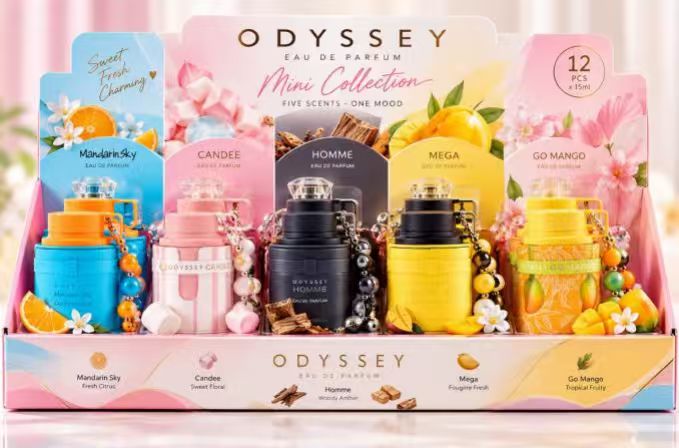
How Large Perfume Runs Keep One Scent Profile
A scent might smell wonderful inside a small sample glass. However, that aroma can change during bulk manufacturing. This issue happens when the recipe or base ingredients shift. It also occurs if resting times or bottling methods vary. For bulk purchasers, these differences create huge business problems. A follow-up delivery needs to smell exactly like the initial batch. After all, consumers have already grown attached to that first aroma.
Scent consistency begins before filling
A dependable bulk purchase depends on a fixed baseline. The actual work does not start at the bottling station. Clients have to secure several details before creating the merchandise. These specifics include the accepted aroma sample and the recipe code. The fluid strength requires confirmation as well. You must also decide the ethanol quality, dye standard, glass, sprayer, and box design. This rigorous approach offers the facility one specific goal. It prevents any mix-ups brought on by unclear verbal commands.
Yiwu Yazhi Cosmetics assists with bespoke aroma design and recipe formulation. The staff also aligns top, heart, and base notes. We perform this task within our dedicated fragrance R&D laboratory. This facility’s function is extremely important. It becomes essential when a brand wants to manufacture perfumes on a large scale. The main objective is to preserve the precise traits accepted during early testing.
The reference sample controls the brief
Each baseline sample needs a distinct lot number. It should also include a typed sensory breakdown. Looking at this document never takes the place of real sniffing. Even so, it assists inspection teams in monitoring the merchandise. Workers can confirm if the crispness or sugary tones changed. They can also inspect the blossom intensity. In addition, these records assist employees in monitoring timber-like dryness and musky smoothness after the production finishes.
Raw material checks protect the formula
Base ingredients impact an aroma much more than many clients realize. A minor alteration in essential oil quality creates genuine difficulties. Alcohol smell differences cause issues as well. Water purity, colorant intensity, and container interactions hold equal importance. These factors can cause a regular recipe to seem piercing, weak, or excessively sugary. They might even make the aroma vanish rapidly. Thorough receiving inspections supply each lot with a much more secure beginning point.
A practical expansion file makes aroma-related details simple to read. Supervisors have to build this record before manufacturing starts. This particular guide directs the perfume contract manufacturing stages. It is highly beneficial when a client requests the facility to reproduce a winning recipe. It ensures uniformity across different seasonal and geographic requests.
Approved oil codes and precise measurement boundaries
Analysis outcomes for alcohol, moisture, colorants, and aroma oils
Glass, sprayer, lid, and box instructions for the distinct SKU
Retail sticker notices regarding sensitizers and combustible fluids
Aging turns early balance into finished scent
A freshly blended fragrance usually smells a bit harsh. This flaw happens because the ethanol, aroma oils, and moisture stay separated. Maturation allows the top, heart, and base notes to mellow. The tones gradually merge into a correct arrangement. This crucial phase takes place right before the facility strains and packages the liquids.
A standard retail fragrance requires around 15 to 30 days to mature. Employees handle this step inside a regulated, unlit space. Potent and very intricate recipes frequently require extra resting duration. This settling period is extremely critical for enduring fragrances. It is especially necessary for timber bases, musks, and vanilla extracts. Goods with massive fragrance concentrations require this duration as well.
Process control keeps the approved profile repeatable
The production area has to treat the aroma as a strict excellence benchmark. Workers utilize electronic balances for measuring. They obey a precise blending sequence. The team also maintains steady vat environments and strains the fluid meticulously. Accurate bottling paces and closed sample preservation stay essential. All these steps prevent negative alterations throughout the fragrance manufacturing process.
Weighing and mixing set the batch rhythm
Precise measuring stops minor recipe errors from expanding. These small faults can swiftly become noticeable aroma defects. The blending sequence holds great importance too. Certain substances melt down much quicker than other components. A hurried blending vat will likely smell inconsistent. This defect appears when the fluid misses adequate resting duration.
Filtration and filling protect the final impression
Straining removes microscopic dirt specks from the liquid. This step makes the fragrance appear totally transparent inside glass containers. Excellent bottling management safeguards the fluid volume. It also preserves a pleasant misting sensation. Correct bottling ensures a secure lid attachment and a tidy box appearance. Consequently, the matched aroma provides shoppers with the exact same purchasing encounter.
Control point
What it secures
Customer risk prevented
Recipe freeze
Accepted aroma traits and fluid proportions
Upcoming lots smelling incorrect
Maturation timeframe
Aroma fullness, gentle ethanol sensation, and tone balance
Sharp or incomplete odors
Straining
Fluid transparency and visual cleanness
Issues involving haziness or drifting particles
Bottling and sealing
Container capacity, sprayer function, and secure closures
Liquid drips, poor misting, and shopper refunds
Retained specimen
Evidence for after-delivery inspections
Chaotic or puzzling issue resolution
Packaging tests complete the scent story
A flawlessly duplicated aroma might still let down a purchaser. This breakdown occurs when containers drip. Soiled boxes create issues as well. Atmospheric pressure shifts during transport can effortlessly destroy the cargo. Suction testing serves as an excellent verification point for overseas fragrance purchases. The device mimics transit pressure strain. This examination reveals fragile lids, sprayers, and closures before cartons exit the storage facility.
A dependable perfume production line must connect aroma acceptance with rigorous container inspections. Inspection crews have to examine misting performance. They must verify sealing durability as well. Employees must also confirm container suitability and execute suction drip evaluations. These united steps safeguard the completed product resting on shop displays.
Compliance checks prevent forced reformulation
Rule assessments serve as a robust defense against unwanted aroma shifts. Europe is presently incorporating extra fragrance sensitizer tagging guidelines. At the same time, American beauty regulations are currently much tighter under MoCRA. Facilities must examine sensitizer statements and IFRA boundaries initially. They have to inspect combustible-fluid documentation immediately. Sticker wording and base ingredients require swift evaluations as well. If these assessments happen too late, the recipe might require a hurried and risky modification.
Yiwu Yazhi Cosmetics manages locations possessing GMPC and ISO22716 credentials. The company facilitates security, endurance, and suitability evaluations. The personnel also manages registration and sticker duties for international patrons. This extensive assistance massively benefits a perfume manufacturing factory. It maintains the accepted aroma in accordance with trade entry laws. Adherence never serves as a mere afterthought in this facility.
Summary for wholesale buyers
Lot-to-lot uniformity relies on rigorous everyday routines. This firm management has to occur prior to, throughout, and following the bottling stage. A purchaser must validate the accepted baseline. They have to inspect base ingredient regulations as well. Clients ought to also confirm the maturation schedule, straining procedures, and suction evaluations. Retained specimens and sensitizer assessments stay essential before expanding any fresh aroma. The finest outcome is never a boastful facility guarantee. Rather, the actual reward is a highly consistent fragrance. It smells completely recognizable each time a consumer purchases a fresh container.
You might be creating bespoke fragrance campaigns currently. If that is true, communicate your intended demographic and aroma concepts quite early. You ought to also display your container selection and preferred release schedule. This initial communication allows the recipe, container, and legal teams to function flawlessly together. These groups will safeguard that precise aroma from the testing laboratory straight to the ultimate delivery.
FAQ
Why does perfume smell different after mass production?
An aroma might seem distinct following bulk creation due to several factors. Base ingredients, measurement precision, or maturation durations might vary. Straining techniques and ethanol smells could alter. Container reactions or holding environments can also deviate from the accepted specimen. A dependable typed baseline assists in resolving this issue. A retained physical specimen makes any smell variations much simpler to detect.
How long should perfume age before filling?
Numerous typical retail recipes mature for approximately 15 to 30 days. This procedure demands strictly regulated facility environments. Potent recipes and dense timber bases frequently require extra duration. Intricate mixtures demand prolonged resting phases as well. The base ingredients simply require additional days to merge into a seamless, enjoyable character.
Does vacuum testing affect fragrance quality?
Suction testing never changes the authentic aroma. Rather, the procedure verifies the structural resilience of the completed container, sprayer, and closure. The equipment guarantees these components can withstand intense atmospheric strain. This evaluation phase stops upcoming fluid drips. It preserves the merchandise entirely pristine throughout extended transit.
Which documents help protect repeat orders?
Multiple practical records exist to secure your recurring purchases. These files contain the accepted recipe code and the endorsed baseline specimen. You additionally require the base ingredient registry, maturation log, and inspection evaluation. A sensitizer assessment, sticker draft, and container examination outcome carry immense importance as well. These precise files provide all upcoming purchases with the exact same engineering goal.
Can a custom scent stay stable across new launches?
A bespoke aroma can certainly remain consistent throughout fresh merchandise releases. You simply have to maintain the primary recipe firmly secured. You ought to only execute strictly managed modifications to the fluid proportions or container components. Periodic adjustments or region-specific sensitizer revisions require cautious management as well. Every individual alteration consistently requires a recent, exhaustive assessment.
View More
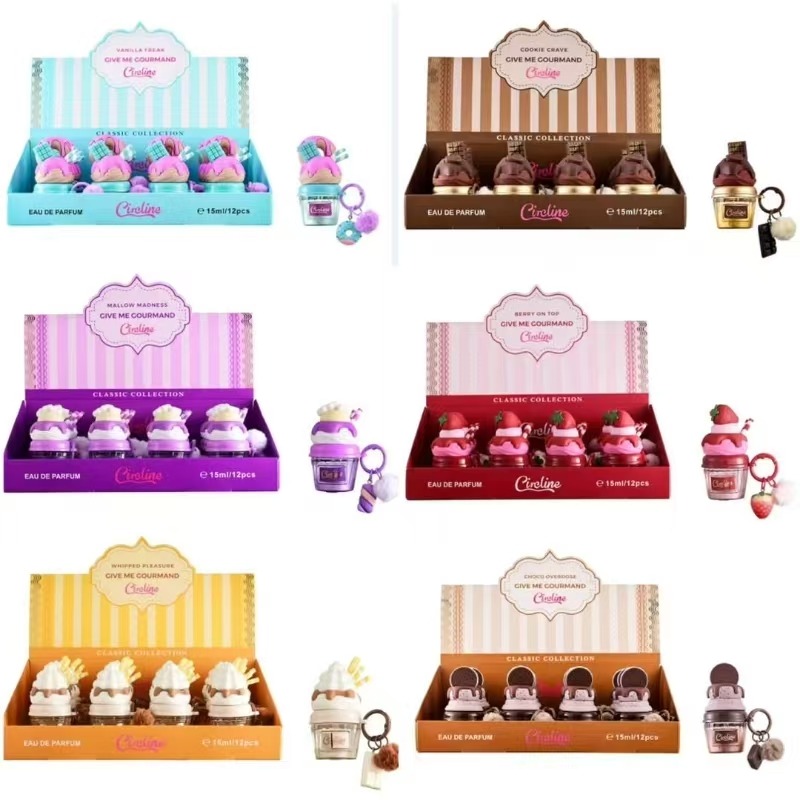
What Makes a Charm Perfume Worth Carrying?
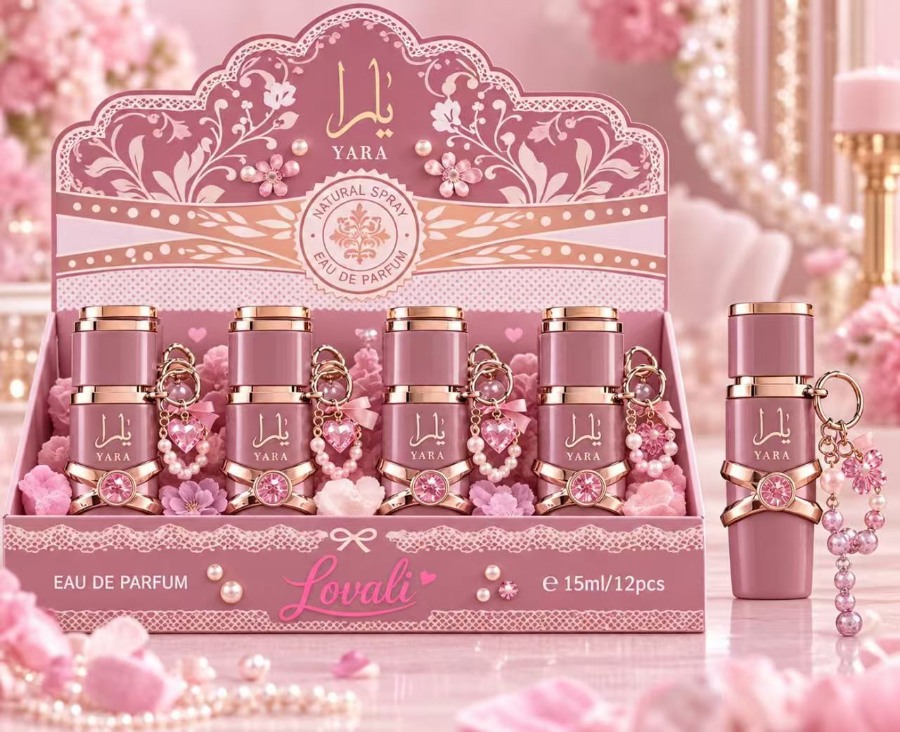
A charm perfume combines a small fragrance bottle with an attractive chain, loop, or hanging decoration. This small container really boosts the visual appeal of the product. It provides a scent that appears just like a delightful little accessory. Therefore, it easily draws people in for a better look. Its actual value depends on how well the ornament and the liquid work together.
A major question comes up for any retail or wholesale collection. Is the charm perfume just as nice to hold as it is to look at on a shelf? The glass, the metal links, and the aroma all contribute to that everyday user experience.
The chain changes how the bottle is used
The hanging element gives this particular style its special character. Beaded strings, metal loops, and bright charms set it apart from a standard miniature vial. They also raise some functional questions. Where does the metal piece rest in your palm? Does it stay out of the way when you remove the top?
A detail that works in the hand
A well-designed charm setup provides plenty of space to apply the liquid easily. Picture pulling the item from a tiny bag before a dinner meeting. The lid must be simple to grab. You should never need to untangle the links before a quick spray. Fancy designs matter far less than that straightforward, everyday action.
The connector definitely needs careful review when hanging is a main feature. A pretty loop does not magically work as a tough, weight-bearing bag clip. Any model designed to dangle from a purse needs its clasp tested thoroughly with a full container.
A portable bottle still needs protection
Traveling with a scent naturally makes the lid very important. The cap must remain tightly secured when packed next to keys or makeup. It has to shield the spray mechanism from unexpected bumps. Furthermore, the liquid inside still needs a defense against intense heat and bright sunlight. This remains true regardless of how beautiful the accessory appears in a store.
Charm-bottle component
Key factors during use
Chain and decoration
Easy access to the lid and sprayer
Hanging connector
Strength for the full container
Lid and seal
Tight fit while traveling
Final mist
A smooth, steady spray
A small glass container makes up just one piece of the travel puzzle. The links and the decoration must also fit nicely inside a pocket. Otherwise, they need to hang properly at the chosen spot. Testing the fully built prototype shows how well these delicate parts function as a unit.
A scent worth returning to during the day
A travel-friendly product keeps your preferred aroma nearby for a quick refresh later. That reality makes a second spray very important to test during product reviews. Does the fresh burst still smell balanced against the older, faded notes after the first spray has dried down?
The evolving aroma gives this vital test genuine value. Top notes create the initial burst. Heart notes bring a unique personality. Meanwhile, base notes provide richness and staying power. These layered smells must still blend flawlessly within the tiny container.
A sweet floral perfume could match wonderfully with a pale pink glass and a beaded decoration, for example. That particular shade hints at a specific feeling. Testing the liquid quickly confirms if the flowery center and the cozy finish actually match that vibe. This shows a creative option. It does not mean every pink container features the exact same smell.
A durable fragrance fits a tiny travel size exceptionally well. Excellent portability gives you the handy choice to spray again without making it an absolute requirement. Using similar spray amounts helps to separate the lasting power from the initial blast of the very first pump.
The small bottle puts workmanship into focus
The fragrance manufacturing process strongly links the chosen aroma with the completed accessory. Precise measuring and careful mixing help to recreate the recipe flawlessly. The fluid then needs proper resting and careful filtering before the filling stage. Finally, the completed package gets evaluated as a single, combined unit.
Scent ingredients determine precisely what this production method must protect. Plant extracts and man-made aroma chemicals can both bring sharp energy, flowery traits, or a deep, cozy base. Their source alone does not decide the final grade. The truly practical question is whether the selected elements deliver the desired harmony. They must also stay completely stable within the final mixture.
The sprayer demands close inspection. It directly manages every mist from the tiny container. Two different sprayers might release different liquid volumes. This variation can make the exact same aroma feel much heavier or lighter at first. You should always test the final small container and the sprayer together. Never depend solely on a test spray from a totally different vessel.
Vacuum testing checks another vital aspect of travel readiness: the seal itself. Lowered outside pressure helps to expose any leak risks in the glass and lid setup. It heavily supports the filling and final packaging inspections. However, it does not evaluate metal link strength or general toughness against daily bumps. Those particular issues require a distinct review of the hanging structure.
A charm design and a scent with the same personality
A unified charm perfume gives both the visual design and the aroma a clear, common goal. For this exciting new travel size, Yiwu Yazhi Cosmetics expertly blends the visual packaging with scent creation, ingredient checking, and strict stability trials. Its bulk production quality checks also include vacuum testing. This thoroughly connects the fluid with the physical reliability of its vessel.
For specially tailored editions, custom perfume makers require a thorough project outline. This document must explain both sides of the consumer experience. A fun, playful decoration could easily match a lively start and a soft, sugary dry-down. On the other hand, a minimalist look might strongly hint at a much softer aroma. Retail trends can spark the first idea. Meanwhile, the physical prototype shows if the combination actually succeeds.
Allergen checking remains very specific to the recipe inside the tiny container. Plant-based scent ingredients can definitely hold allergens. Neither a tiny size nor a very pretty decoration changes that reality. A fresh aroma or a new mixture strength always requires the proper safety checks and precise ingredient data for its target region.
Fresh product releases in the EU after 31 July 2026 must completely satisfy the updated fragrance-allergen label rules. A visual packaging update must keep the required consumer details totally visible. The dangling piece serves as a visual bonus. It is absolutely not a substitute for clear, correct text warnings.
The charm is part of the whole experience
A nicely crafted charm perfume feels thoroughly planned from the initial look to the second spray. When you handle the actual prototype, keep three main points in mind:
The metal links nicely suit the glass. They leave the lid and the sprayer very simple to operate.
The aroma stays very enjoyable as it changes over the hours and when a fast refresh is desired.
The loaded package, the connector style, and the liquid recipe all undergo the strict tests meant for their distinct jobs.
FAQ
Can every charm perfume hang from a handbag?
No. Certain links are strictly for looks. A dangling model needs a connector specially created and totally tested for the heavy, filled container. The basic look of a metal loop does not prove its real carrying strength.
Does the chain release fragrance?
In this particular product style, the liquid is safely trapped inside the glass. You apply it only through its pump mechanism. The pretty metal pieces should never be marketed as an aroma diffuser.
Does a compact charm perfume need more frequent reapplication?
A tiny container does not control how long the smell actually stays on the skin. The unique recipe and the sprayed volume truly make the difference. Simple travel size merely makes a quick refresh very easy. It does not dictate how frequently a new mist is genuinely required.
What matters in perfume contract manufacturing for charm formats?
Test the chosen aroma inside the planned glass, sprayer, and lid. Next, examine the links or the connector totally on their own. Liquid quality and hardware function act as very distinct elements of the final merchandise.
Does vacuum testing check whether the chain is secure?
No. It verifies the seal quality purely under set pressure levels. Hardware safety requires its own distinct review. A passing leak-test score cannot possibly predict how the metal links will actually perform during daily travel.
View More