
Which Fragrance Families Belong on Supermarket Shelves?
 author
A supermarket fragrance shelf has only a few seconds to make sense. The real question is whether the fragrance families form a clear range for different shoppers, seasons, and price points.

A shelf needs contrast before it needs more SKUs
A strong shelf mix usually begins with contrast. If every bottle leans sweet, pink, and floral, shoppers may see variety in packaging but not in use occasions. If every option is heavy and warm, the range can feel wrong in spring. Fragrance families give the shelf a simpler language: fresh, floral, fruity, woody, amber, gourmand, musk, and unisex.
The useful goal is recognition. A buyer should be able to point to one daily scent, one warm-weather scent, one cool-weather scent, and one trend slot without needing a long explanation from store staff.
Fresh notes create fast trial
Fresh scent families work well when the shopper wants a clean first impression. Citrus, aquatic, green, and light fruity notes feel approachable because they read quickly from a tester strip or cap. They are especially useful for entry-price displays, travel sizes, and casual gifting.
Comfort notes keep the range from feeling thin
Comfort-led families give the shelf depth. Vanilla, amber, soft musk, sandalwood, and light gourmand effects can make a fragrance feel warmer and more lasting. They matter when the buyer is planning autumn sets, holiday packs, or a line that must feel more premium without becoming too niche.
Seasonal demand changes the balance
Seasonality should adjust the ratio, not rebuild the whole shelf. Searches for best summer perfumes for women point toward lightness, brightness, and easy daytime use, while winter fragrances for women usually suggest warmth, softness, and stronger dry-down character. A stable range can keep familiar core scents while rotating a few seasonal accents.
Use citrus, aquatic, pear, peach, and clean musk for spring and summer freshness.
Use rose, jasmine, berry, and fruity floral effects for a broad feminine core.
Use amber, vanilla, woody, and soft gourmand notes for cooler months and gifting.
Keep one unisex or skin-scent slot for shoppers who avoid obvious sweetness.
| Shelf role | Useful fragrance families | Commercial reason |
| Fast first impression | Citrus, aquatic, light fruity | Works for spring, summer, travel sizes, and quick trial. |
| Everyday core | Floral, fruity floral, soft musk | Gives the shelf a broad entry point. |
| Cool-weather comfort | Amber, vanilla, woody, gourmand | Adds warmth for autumn, winter, gifting, and evening use. |
| Trend slot | Arabian, spicy woody, skin scent, layered mist | Tests novelty without replacing the core range. |
| Custom extension | Matching EDP, body mist, lotion, or gift set | Builds a clearer story when the scent proves repeatable. |
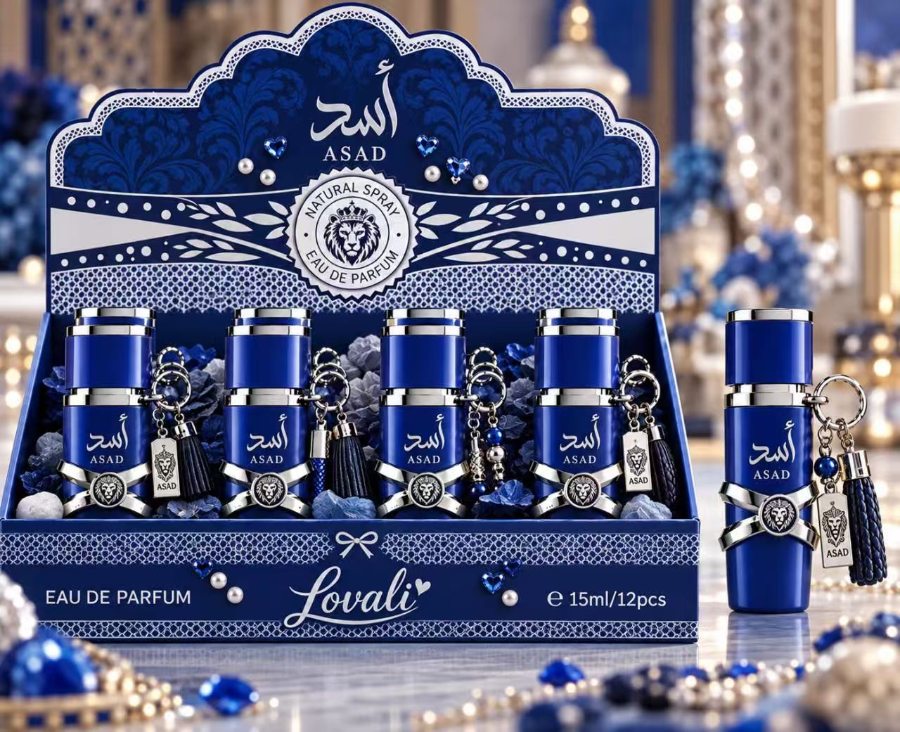
Formats change how fragrance families sell
The same scent family can play different roles in different formats. A floral EDP may feel like the main purchase, while a matching mist or lotion turns the idea into a daily layering routine. This is why body mist wholesale demand often sits beside perfume demand rather than replacing it.
Body mist also helps a retailer test lighter trend notes with less risk. A coconut, pistachio, pear, or berry mist can feel timely, and a strong response can later support an EDP, travel spray, or gift set.
Floral remains the safest core when it has texture
Floral is familiar, but flat floral is easy to ignore. Searches around best floral perfumes for women show why the category still matters: shoppers want romance, softness, and polish, but they also expect modern freshness or warmth.
Woody and musk notes make the shelf feel current
Woody, musk, and skin-scent notes help a supermarket shelf avoid looking purely sweet. They support unisex buying, office use, and a quieter premium mood. For 2026 launches, this layered direction matters because shoppers are mixing mists, lotions, and EDPs instead of using one loud signature scent.
Custom ranges must survive production realities
A custom shelf range becomes more complicated when the scent, bottle, label, and launch window move together. A floral, woody, or fruity idea still has to pass formula review, packaging compatibility, and market compliance.
For buyers comparing private label perfume manufacturers, Yiwu Yazhi Cosmetics is relevant at this point because its work connects scent development with raw-material screening, stability testing, formula compliance, and finished-pack verification.
Vacuum testing belongs in that production flow. Filled bottles are exposed to reduced pressure so weak crimping, poor pump fit, or imperfect sealing can show up before goods travel. The test protects the fragrance experience by preventing leaks, evaporation, and damaged shelf stock.
Allergen review also shapes a custom range. EU rules have expanded fragrance allergen labeling requirements, and U.S. MoCRA keeps allergen disclosure on the cosmetics compliance agenda. A good sample still needs a formula record that matches the target market and label plan.
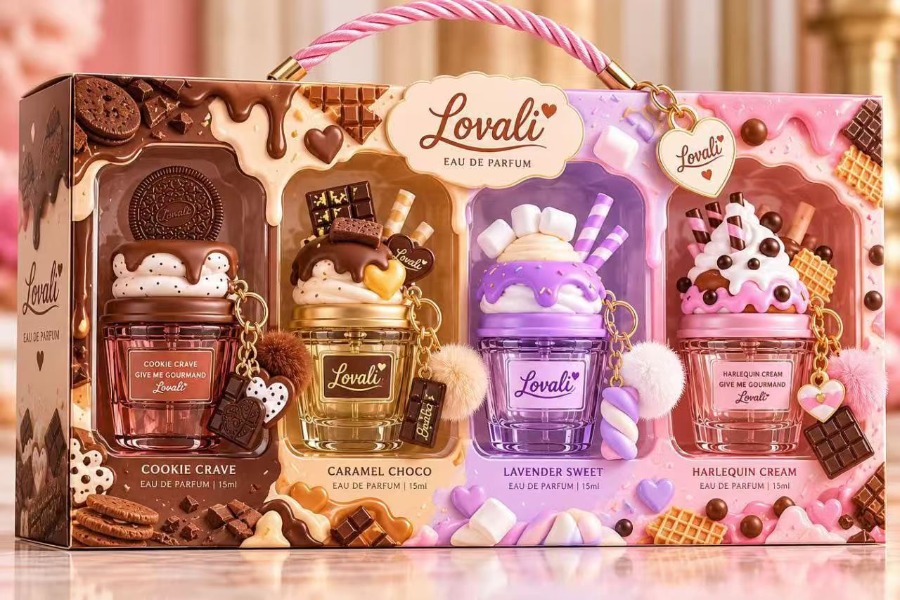
A practical way to read the shelf
A buyer can read a fragrance shelf like a small wardrobe. Fresh families bring movement, floral and fruity notes carry familiar volume, woody or musky notes add modern quietness, and amber or gourmand accents bring seasonal comfort. When those roles are clear, the range feels edited rather than crowded.
The same logic helps new-product planning. A new perfume for women or body mist should not only look different in color or cap shape; it should give the shelf a new reason to exist. A pistachio mist, a soft skin scent, a clean musk, or a warmer vanilla floral can each work if it fills a missing shelf role.
The practical takeaway
Supermarket fragrance selection works best when fragrance families are treated as retail signals, not decorative labels. Build a core around fresh, floral, fruity, woody, musk, and warm comfort notes; adjust the seasonal ratio; then test any custom extension through stability, allergen, packaging, and vacuum checks. That gives the shelf variety shoppers can understand and repeat orders buyers can trust.
FAQ
Which fragrance family should a supermarket range start with?
A supermarket range usually needs an approachable fresh or floral core first. Citrus, fruity floral, soft rose, jasmine, and clean musk are easier for broad shoppers to understand than very dark, smoky, or highly niche profiles.
Are fruity floral scents only for summer?
Fruity floral scents are strongest in spring and summer, but they can work year-round when the fruit note is balanced by musk, amber, or a soft woody base. The formula decides whether the effect feels seasonal or permanent.
Why do body mists help a fragrance shelf?
Body mists help a shelf because they support frequent use, layering, gifting, and trend testing at a lighter intensity. They can introduce a new scent direction before the retailer expands it into EDP or gift-set formats.
How many fragrance families are enough for one shelf?
A compact shelf can work with four clear roles: fresh, floral or fruity, warm comfort, and one trend or unisex slot. Larger ranges can expand each role, but overlap should still be controlled.
What should custom buyers check before launch?
Custom buyers should check the approved scent family, formula version, allergen record, stability results, pack compatibility, spray performance, and vacuum-test result. These checks protect both the scent and the shelf presentation.