
How Is Perfume Made in a Perfume Manufacturing Factory
 author
Introduction
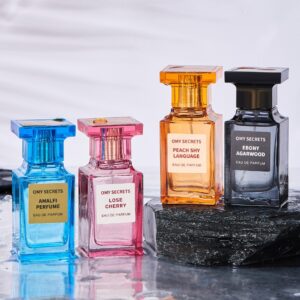
Purchasing fragrances has grown quite technical for distributors and large retail chains. A pleasant scent needs to smell wonderful on a testing strip. However, it must also remain stable inside shipping boxes. The liquid must follow market entry regulations. Furthermore, it should perform reliably during future reorders. For a perfume wholesale store, the main issue is not just finding a popular scent. The real challenge is finding out if the perfume manufacturing factory can properly manage raw materials, allergens, and leakage. They must also ensure good shelf appeal and deliver long-lasting perfume performance in large volumes.
At LOVALI, we view fragrance creation as a total retail supply mission. The finished item must appeal to the intended buyer. It needs to withstand long-distance shipping or international transport. The cost must align with standard retail pricing. Moreover, it must maintain the exact same scent character from the initial run to the next delivery.
What Raw Materials for Perfume Production Determine Scent Quality?
The raw materials for perfume production define the whole sensory experience. Top notes deliver the initial impact. They usually feature citrus, fruit, mint, bergamot, or fresh herbal elements. Middle notes form the central character. They do this by using rose, jasmine, warm spices, sandalwood, or cedar. Base notes determine the richness and staying power. They rely on musk, amber, vanilla, deep woods, or resinous base materials.
A long-lasting perfume is not made by simply dumping in extra fragrance oils. It relies on proper concentration and a solid base-note foundation. It also needs the right fixative balance and sufficient aging time. The harmony among the bottle material, glass bottle, coating, pump, and cap is crucial. If the raw materials for perfume production are not evaluated strictly, the final liquid might turn cloudy. It could form sediment or change color. The dry-down might become weak, or the scent could shift after long transit.
How Is Perfume Made Step by Step?
The production process starts with choosing a formula or designing a unique scent. For perfume private label tasks, clients can pick from proven formulas. They might ask for a market-driven scent. Alternatively, they can create an entirely unique scent profile. Once the recipe is finalized, the facility measures the fragrance oils, alcohol, and purified water. They also weigh any supporting elements based on the agreed specifications.
Next, the mixed liquid moves into the aging phase. This step allows the alcohol and aromatic elements to blend into a softer, richer scent. In retail fragrance, proper aging usually creates a smoother shift from top notes to middle notes and base notes. After the aging process finishes, workers filter the liquid. This improves visual clarity before the filling stage begins.
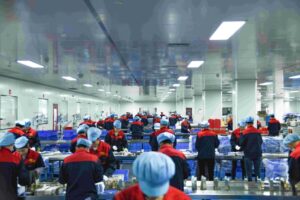
Filling is followed by crimping the neck, attaching the pump, securing the cap, and packing the item. Vacuum testing is a vital procedure for bulk and retail orders. During shipping, air pressure shifts and stacked boxes can reveal poor seals. Vacuum testing helps verify the integrity of the bottle and sprayer before loading. This reduces messy leakage claims, ruined boxes, and retailer rejections.
| Product Type | Typical Size Range | Scent Direction | Longevity Focus | Retail Use |
| Parfum / EDP | 30ml, 50ml, 100ml | Higher concentration, richer base notes | Stronger long-lasting perfume effect | Premium shelf, gifting, social use |
| EDT | 30ml, 50ml, 100ml | Fresher and lighter profile | Balanced wear time | Daily wear, supermarket fragrance wall |
| Body Mist | Customizable retail sizes | Light fruity, floral, gourmand, fresh notes | Soft repeat-spray experience | Youth market, seasonal promotion |
| Arabic Series | 50ml, 100ml | Oud, amber, musk, spice, warm woods | Deep base-note persistence | Middle East, ethnic retail, gift sets |
| Home Fragrance | 30ml–200ml | Floral, woody, clean, hotel-style notes | Room diffusion and memory point | Home, gift, hospitality channel |
Why Does Long-Lasting Perfume Matter for Wholesalers?
A long-lasting perfume serves as one of the most immediate factors in user reviews. For distributors, short wear time causes frequent returns, bad ratings, and sluggish reorder speeds. For retail chains, it damages brand trust. Shoppers test items rapidly and expect the aroma to stay clear well after spraying.
A professional perfume manufacturing factory boosts wear time through careful fragrance concentration and smart base-note planning. They also manage raw material stability and strict aging control. EDP-style items generally fit clients who demand robust wear time. Meanwhile, EDT and body mist items suit everyday store shelves. On those shelves, a fresh feel and an affordable price matter most. The best choice relies on the sales channel, local climate, current season, and user habits.
What Compliance Issues Should Custom Perfume Manufacturers Control?
Custom perfume manufacturers supplying Europe and North America must handle compliance as a core part of product design. They should not treat it as a last-minute paperwork chore. In the EU, scent allergens represent a major labeling issue. The European Commission keeps debating broader allergen labeling rules for cosmetic goods. In the United States, MoCRA brings stricter demands for cosmetic plant registration and product filing. It also covers GMP guidelines, safety proof, and scent allergen labeling rules once the FDA finalizes them.
For clients, this means a perfume private label task must involve deep ingredient checks and allergen sorting. It also requires SDS or MSDS paperwork, label language reviews, and region-specific formula tweaks. If a target region bans specific elements or limits alcohol levels, the facility must offer safe substitutes. They must do this without ruining the original scent character.
Conclusion
Fragrance creation is the exact stage where creative scents turn into dependable retail goods. A perfume wholesale store requires appealing items, but large retail buyers demand much more. They need stable raw materials for perfume production, proven leakage prevention, and reliable long-lasting perfume performance. They also require proper legal labeling and steady batch-to-batch quality. The ideal perfume manufacturing factory does not merely put liquid into a glass. It transforms scent concepts into shelf-ready goods. These goods can endure shipping, pass client checks, and generate steady repeat business.
FAQ
How much does a private-label perfume cost for a perfume wholesale store?
The total expense relies on the bottle volume, scent concentration, and packing supplies. It also depends on the MOQ, formula style, and legal testing needs. A pre-made formula with basic packing costs much less than a unique perfume private label task. A unique task involves custom glass molds, special gift boxes, and region-specific lab tests.
How long does a perfume manufacturing factory take to make bulk perfume?
The timeline depends on sample sign-off and packing details. Basic sampling usually requires about one to two weeks. Mass production timing relies on the total order volume, packing availability, and quality check demands. Large retail orders normally need added time to verify cartons, barcodes, labels, and loading details.
What raw materials for perfume production make perfume last longer?
Base notes like musk, amber, vanilla, deep woods, and resinous elements generally provide stronger dry-down power. Still, a true long-lasting perfume also relies on proper fragrance concentration and a good fixative mix. It needs the right alcohol ratio, adequate aging, and thorough stability checks.
Do custom perfume manufacturers provide after-sales support?
Reliable custom perfume manufacturers should assist with reorder matching and packing issue reviews. They should handle leakage claim checks, document renewals, and safe formula record storage. For bulk and retail clients, after-sales help is crucial. Future orders must perfectly match the approved initial sample.