
What Are Woody Fragrances?
 author
Two woody perfumes can leave different impressions: one feels dry and crisp, the other creamy and warm. For wholesalers and supermarket fragrance teams, that difference matters when explaining a range. Woody describes the scent’s central character. Understanding its materials, surrounding notes and later development helps you assess the category beyond a single label.
The woody character behind the first spray
Woody fragrances place wood-like notes at the centre of the composition. Cedarwood and sandalwood are familiar examples, but the family also includes earthy impressions from materials such as vetiver. These notes can provide the lasting background that remains as brighter opening notes become less prominent.
A woody ingredient alone does not make every perfume a woody fragrance. A rose-led composition may use sandalwood for support while still smelling mainly floral. Classification depends on the overall impression, so a long ingredient or note list is less useful than identifying what actually leads the scent.
Descriptive pairings help narrow the category. A woody spicy perfume combines a recognisable woody structure with spice notes. The second word adds information about its character, but the balance still needs to be smelled. This is where distinguishing individual woody notes becomes useful.
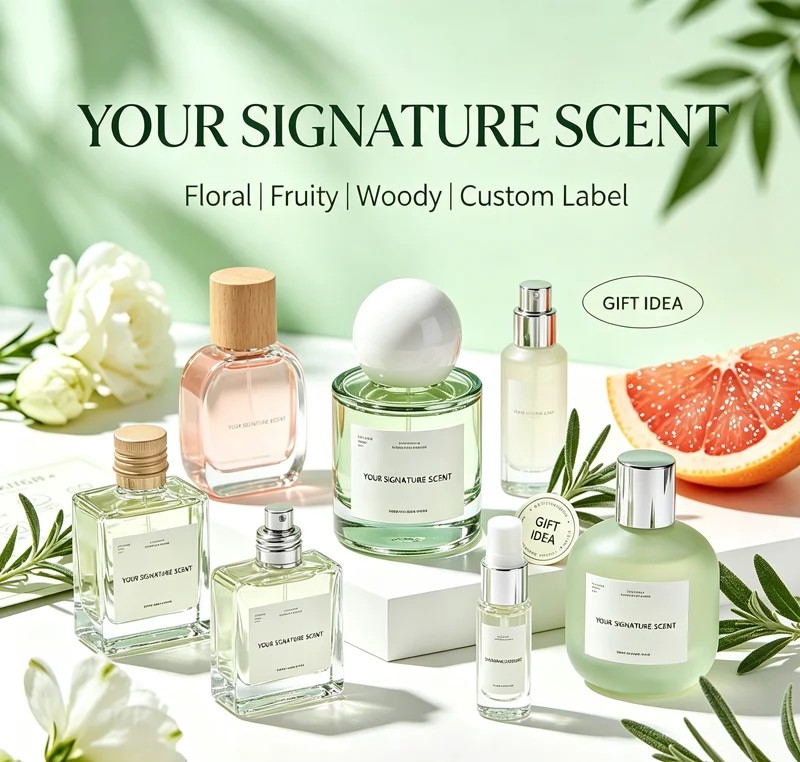
Cedarwood, sandalwood and vetiver smell different
Cedarwood often gives a dry, clean woody impression. Sandalwood tends towards a rounder, creamy character, although the exact material can also have earthy or smoky facets. Vetiver offers another direction: its oil comes from grass roots and can contribute earthy, woody depth.
These materials give fragrance teams a practical vocabulary for describing samples. The distinctions below are starting points for comparison, rather than fixed descriptions of every finished perfume.
| Woody reference | Typical impression | Useful comparison question |
| Cedarwood | Dry, clean wood | Does the finish feel crisp or softened? |
| Sandalwood | Rounded, creamy wood | How much sweetness surrounds the wood? |
| Vetiver | Earthy, root-like woodiness | Is the earthy character prominent or restrained? |
Woody effects can also come from aroma molecules. Iso E Super, for example, has a smooth woody-amber character and a velvety impression. A woody description therefore does not establish that a perfume contains a particular natural wood oil. Keep sensory descriptions separate from ingredient-origin claims.
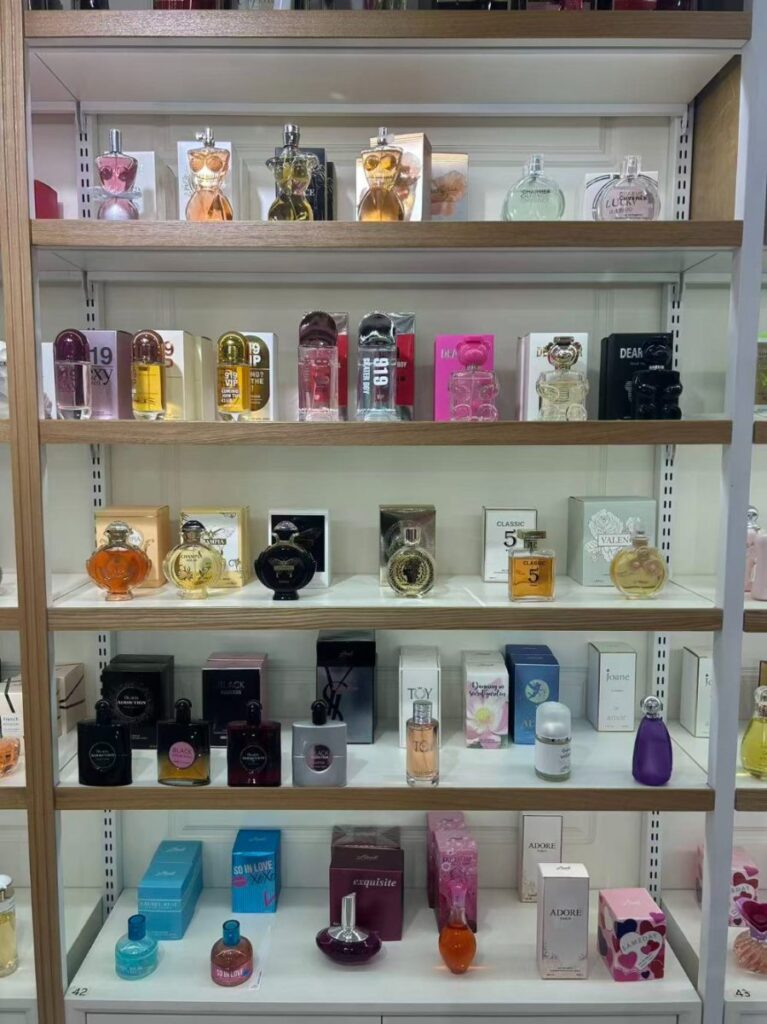
Spice and citrus reshape the same woody foundation
Spices can add warmth and definition to wood notes. Clove or nutmeg, for instance, can make a composition feel fuller. When comparing a spicy woody fragrance, distinguish the spice impact at the opening from the woody character that remains later.
A spicy woody fragrance for men may sit alongside fresher scents in a men’s range, yet the label alone leaves several possibilities open. Ask whether the sample feels dry, sweet or aromatic, and record which quality leads. This gives colleagues a more useful description than simply calling it strong.
Citrus offers a different contrast. Bergamot, grapefruit or lemon can bring a bright opening before the woody structure becomes clearer. A fresh first spray and a warm later impression can belong to the same perfume. Evaluating only the opening risks missing the character customers experience afterwards.
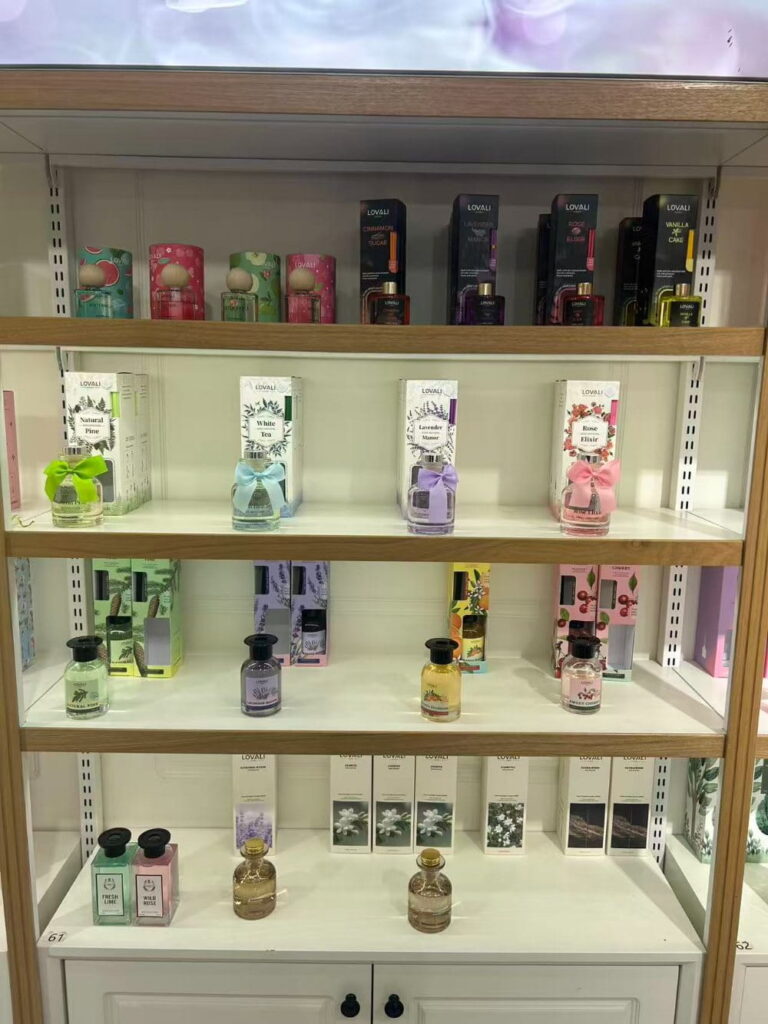
Floral woods extend the range beyond masculine scents
Woody compositions also work with floral notes. Sandalwood can support rose or jasmine, giving the flowers a rounded background. This combination explains why woody does not automatically mean masculine, smoky or severe. The surrounding notes influence how the finished fragrance is perceived.
Clear distinctions are particularly useful when a range includes floral, woody and unisex options. Yiwu Yazhi Cosmetics develops these fragrance families through its in-house fragrance laboratory. That breadth provides a relevant setting for comparing how wood notes work with different scent directions, without treating all woody options as interchangeable.
When assessing a woody perfume for her, note whether the flowers lead throughout or gradually give more space to the wood. A description such as floral with a creamy woody finish tells the team more than a gender label. Use the actual sample to settle that description.
Woody dry-down and lasting power need separate checks
The dry-down is the later fragrance impression after the opening has developed. Woody materials can contribute persistence, but a woody label cannot promise a set number of hours. The complete formula, concentration and conditions of wear matter. A raw material’s performance also cannot be transferred directly to a finished bottle.
Lasting power and projection answer different questions. Longevity concerns how long a scent remains detectable; projection concerns how far it is perceived from the wearer. A soft fragrance can remain noticeable close to the skin after its initial outward presence has faded.
Use a consistent comparison routine when reviewing a range:
- Label each blotter with the sample identity and application time.
- Apply the same amount under comparable conditions.
- Revisit the samples at agreed intervals and record changes in character.
- Assess finished products on skin as appropriate, keeping those observations separate from blotter results.
Treat this exercise as structured sensory comparison, rather than proof of an advertising claim. If an exact wear-time statement will appear on packaging or product descriptions, request evidence for that finished product and the stated conditions. This keeps the attractive idea of a lasting woody finish tied to what has actually been assessed.
A more precise way to describe woody fragrances
Woody fragrances become easier to understand when you identify the dominant wood character, its floral, spicy or citrus partners, and its later development. For a wholesale range, keep scent description and performance evidence distinct. A small set of clearly differentiated samples is a useful next step towards explaining the category accurately.
FAQ
What scents are considered woody?
Cedarwood, sandalwood and vetiver are common reference points. Woody-amber aroma molecules can create related impressions. The family describes the smell, so its materials need not all come from trees.
Is jasmine a woody scent?
Jasmine is floral. It can be blended with sandalwood or other woody notes, producing a floral-woody composition. Whether flowers or woods dominate depends on the finished fragrance.
Are woody fragrances only for men?
No. They appear in men’s, women’s and unisex ranges. Floral or creamy woody combinations illustrate why the actual scent profile is more informative than assuming that wood notes belong to one gender.
Do woody perfumes always last longer?
No universal comparison is reliable. Some woody materials are persistent, but the finished formula and wear conditions determine the result. Compare products under consistent conditions before making a longevity claim.
What is the difference between woody and woody spicy?
Woody identifies the central wood-like character. Woody spicy adds a noticeable spice dimension, such as clove or nutmeg. Its warmth and sweetness depend on the balance of the complete composition.